
McMinnville High School Stage Band – McMinnville High School Stage Band (1970)
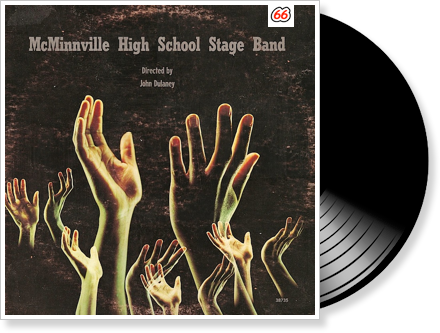
Title: McMinnville High School Stage Band
Year: 1970
Format: LP
Label: Private Pressing
Here’s an obscurity that was sent to me from Adrian O. It’s a recording by the McMinnville High School Stage Band from McMinnville, Oregon.
The album features jazz renditions of several Doors cuts, including “Light My Fire”, “Love Me Two Times” and “Soul Kitchen”. Other tracks include “Norwegian Wood”, “Mercy, Mercy” and a live extended jam entitled “Channel I Suite” which is quite interesting. Thanks again Adrian for the original rip.
The band was directed by John Dulaney, a local boy who had studied at North Texas State University under Leon Breeden. A fine trumpeter in his own right, he elected to teach, and he was an inspiring teacher. Holding back was something he never did, and he insisted that the band “blow man, blow!”. (Max Collodie)
Track Listing
- Light My Fire
- Norwegian Wood
- Channel I Suite
- Soul Kitchen
- Love For Sale
- Meet A Cheetah
- Love Me Two Times
- Mercy, Mercy
Disclaimer: The link below may point to content that is copyrighted. redtelephone66 only provides this link with the understanding that you are responsible for the content you download. redtelephone66 does not engage in music piracy, nor do we do host, fileshare, or otherwise trade in copyrighted works.

Steve Marcus – Tomorrow Never Knows (1968)
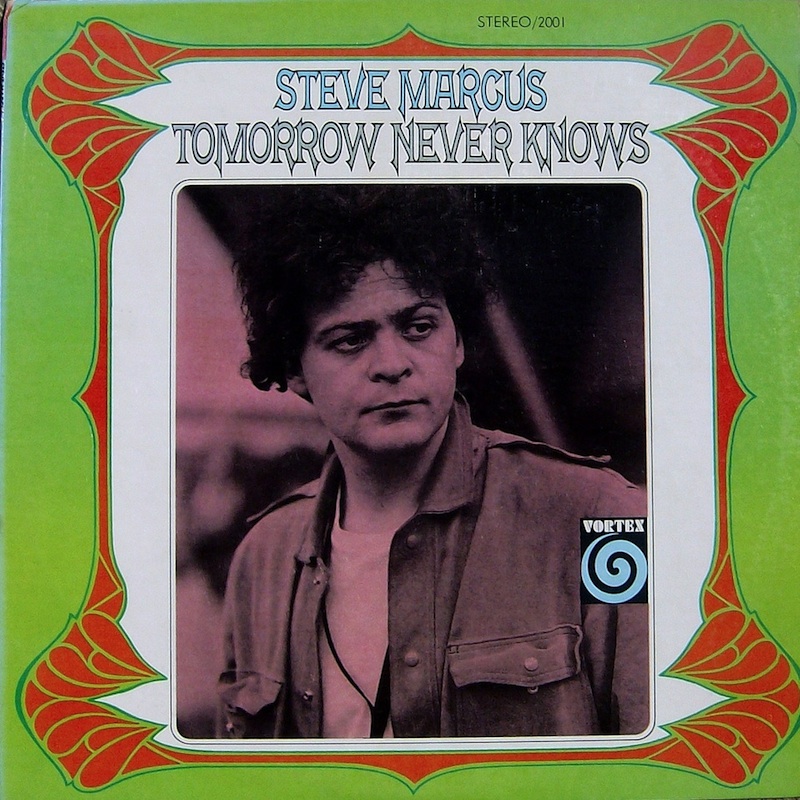
Title: Tomorrow Never Knows
Year: 1968
Format: LP
Label: Vortex
Saxophonist Steve Marcus spent the late 60′s & early 70′s touring & recording with Gary Burton, Herbie Mann & Larry Coryell as well as playing with guitarist Sonny Sharrock & vibe man Roy Ayers. This album was originally released on Atlantic’s Vortex label in 1968.
Produced by Herbie Mann & featuring Larry Coryell on guitar – the ‘jazz’ band works its way thru free form psychedelic rock versions of songs by The Byrds (‘Eight Miles High’), Donovan (‘Mellow Yellow’), & the Beatles (an 11 minute freakout of ‘Tomorrow Never Knows’ & 7 minutes of ‘Rain’).
Fans of lounge-core kitsch will enjoy these late 60′s pop music instrumental grooves, while modern jazz fans will love the Coltrane-like freak out of Marcus’ sax work & rock fans will dig some of Coryell’s most distorted & shredding guitar work. (Prairie Prince Minsky)
Track Listing
- Eight Miles High
- Mellow Yellow
- Listen People
- Rain
- Tomorrow Never Knows
- Half A Heart
The Sound Of Feeling – Leonard Feather Presents The Sound Of Feeling and The Sound Of Oliver Nelson (1966)
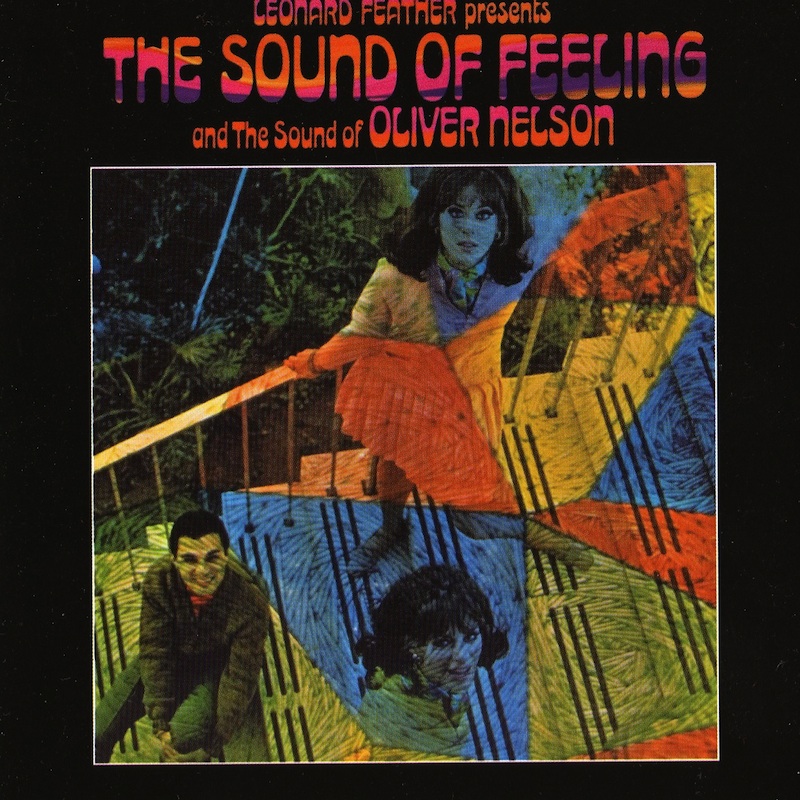
Title: The Sound Of Feeling and The Sound Of Oliver Nelson
Year: 1966
Format: LP
Label: Verve
This is actually a half & half album featuring The Sound Of Feeling on side one, and the Oliver Nelson Orchestra on side two. The songs on side one were included in the Sunbeam cd compilation “Up Into Silence” that also included some unreleased tracks. (Prairie Prince Minsky)
Track Listing
- My Favorite Things
- Waltz Without Words
- Who Knows What Love Is?
- Phrases
- Circe Revisted
- Ricardo’s Dilemma
- Patterns For Orchestra
- Sidewalks Of New York
- Greensleeves
Disclaimer: The link below may point to content that is copyrighted. redtelephone66 only provides this link with the understanding that you are responsible for the content you download. redtelephone66 does not engage in music piracy, nor do we do host, fileshare, or otherwise trade in copyrighted works.
The Sound Of Feeling – Spleen (1969)
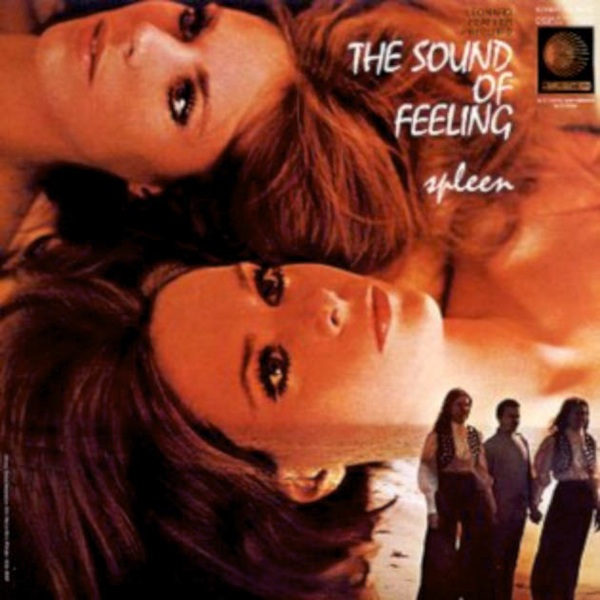
Title: Spleen
Year: 1969
Format: LP
Label: Limelight
An incredible record from this enigmatic vocal group! Sound Of Feeling were an ultra hip trio (2 gals, 1 guy) who recorded under the aegis of Leonard Feather at the end of the 60s — and who worked in a mode that combined sweet harmony vocals, sunshine pop, and some surprisingly experimental touches! The tunes on this set are a weird blend of dreamy numbers and other tunes that really push the boundaries of vocal expression — very tripped-out numbers that are a bit like some of the later experimental work by the Swingle II ensemble. Titles include “Mixolydian Mode”, “Spleen”, “Along Came Sam”, “The Time Has Come For Silence”, “Up Into Silence”, and “Hex”. (Dusty Groove)
The Sound of Feeling was a group initially consisting of multi-instrumentalist/arranger/singer Gary David and twin sister vocalists (Alyce Bielfeldt and Rhae Bielfeldt (later Alyce and Rhae Andrece), who met in Los Angeles in the mid-1960’s. The sisters had been trying to break as a singing duo, and had even done a stint in Las Vegas as showgirls, whilst David had been playing jazz in the area around San Francisco, following his discharge from the army in 1959. In addition to being proficient on bass, piano, and drums, he also sang and arranged. He and the Andreces, choosing the name The Sound of Feeling, moved into realms of avant-garde jazz that managed to incorporate elements of pop music, classical, and even folk sources, built around the sisters’ unique, soaring vocal sound.
Their music, a bolder variant of the kind of vocalise approach that the Swingle Singers had been burning up the charts with (and which the Manhattan Transfer would virtually patent in the 70’s), made them too cutting-edge to succeed as more than a cult act in mid-1960’s Los Angeles; a stint at a club called the Losers, on the Sunset Strip had them pegged as “too far out,” according to David in his notes to the 2007 reissue of their two albums. But by 1967, amid the burgeoning psychedelic boom, the Sound of Feeling were in exactly the right position in relation to pop and jazz — they were heard by jazz critic/scholar Leonard Feather, who took to their innovative approach to jazz vocalizing and put them together with Oliver Nelson.
The result was their debut album for Verve Records, with Feather producing, supported by Nelson on soprano sax, with Ray Neapolitan (bass), Chuck Domanico (bass) and Dick Fisher (drums), which earned a Grammy nomination. They were signed to Mercury Records following an appearance with Duke Ellington at the Newport Jazz Festival, which yielded their second album, Spleen, which — like its predecessor — got a Grammy Award nomination. The group continued working together until 1972 when David and the Andreces went their separate ways. (Bruce Eder, All Music Guide)
Track Listing
- Hurdy Gurdy Man
- Hex
- Up Into Silence
- The Time Has Come For Silence
- Along Came Sam (The Morning Of The Mutations)
- The Sound Of Silence
- Spleen
- Mixolydian Mode(From The Microcosmos Book Ⅱ)
Disclaimer: The link below may point to content that is copyrighted. redtelephone66 only provides this link with the understanding that you are responsible for the content you download. redtelephone66 does not engage in music piracy, nor do we do host, fileshare, or otherwise trade in copyrighted works.
Sandy Hurvitz – Sandy’s Album Is Here At Last! (1967)
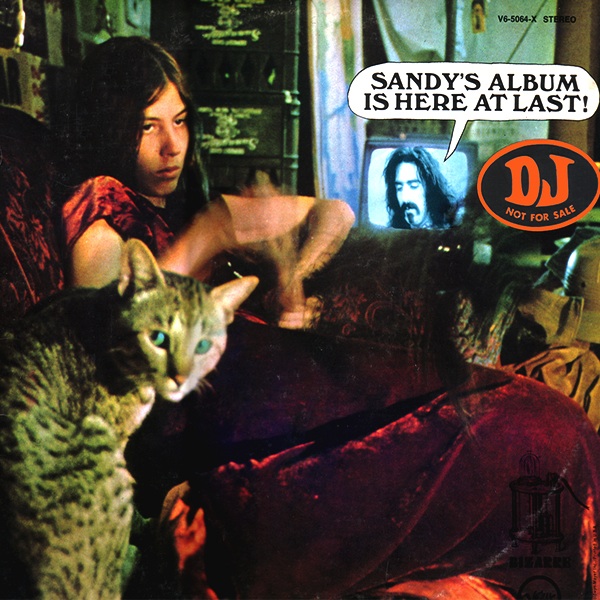
Title: Sandy’s Album Is Here At Last!
Year: 1967
Format: LP
Label: Verve
The teenage Hurvitz, prior to becoming Essra Mohawk, made this hit and miss recording for Frank Zappa’s Bizarre label. Zappa was the project’s original producer, before various disagreements saw him replaced by Ian Underwood. The results suggest that Underwood was narcoleptic, or a perpetual absentee — it’s hard to credit his input with a title so lofty as producer. Hurvitz’s songs — long, formless, intense creations — may in all likelihood be of the very finest, but it’s impossible to tell. All the cuts seem to have been recorded through a dense, woolen sock, and each is nearly impenetrable as a result.
Apart from the occasional intrusion of a small band, and a flautist, it’s essentially a solo recital — just Hurvitz and her piano — but even the songs most bare of instrumentation are clouded and marred by the rotten production job, which also succeeds in making Hurvitz’ lyrics completely unintelligible. The song titles — “Arch Godliness of Purplefull Magic,” “Tree of Trees,” and “The Sun” point towards a bright, sparkling imagination, but the sound quality of Sandy’s Album means that even that cannot be verified. (Allmusic)
Track Listing
- Child
- Three Hawks
- All This Time Going By
- Woman
- The Sun
- Many Different Things
- You’ll Dance Alone
- Tree Of Trees
- Arch Godliness Of Purplefull Magic
- Love Is What I’ve Found
Disclaimer: The link below may point to content that is copyrighted. redtelephone66 only provides this link with the understanding that you are responsible for the content you download. redtelephone66 does not engage in music piracy, nor do we do host, fileshare, or otherwise trade in copyrighted works.
Luis Gasca – For Those Who Chant (1971)
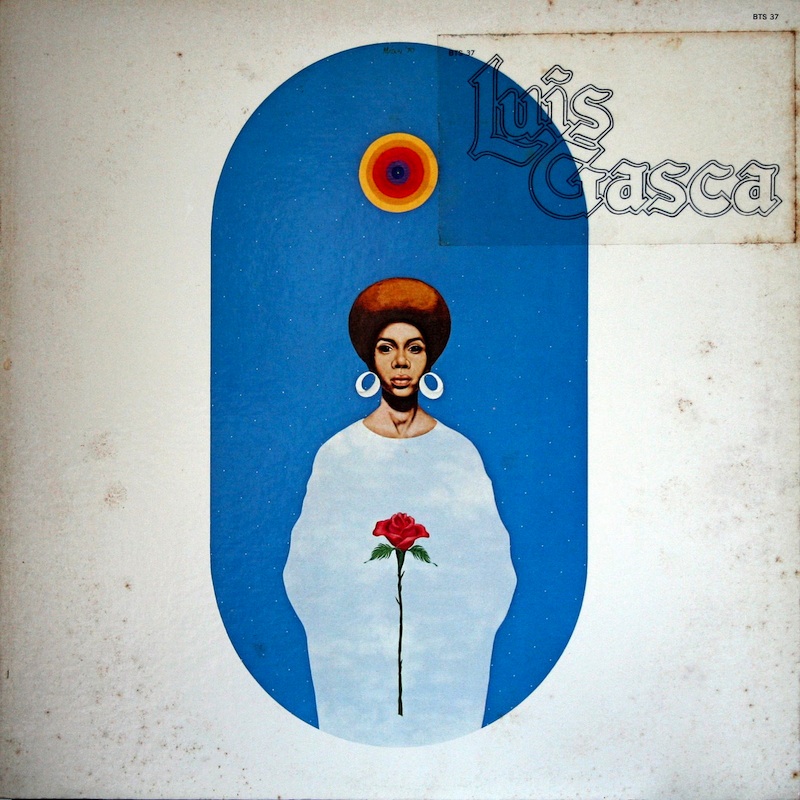
Title: For Those Who Chant
Year: 1971
Format: LP
Label: Blue Thumb
A sublime product of the convocation of bona-fide musical masters. Some call it the lost Santana album (the entire 1971 Santana lineup is present), and yes in a way it is…but it’s much more than that. Aside from the consummate trumpet maestro Gasca, we have Lenny White (additional drums), bass god Stanley Clarke, and the absolute icing on the cake….
Track Listing
- Street Dude
- La Raza
- Spanish Gypsy
- Little Mama
Disclaimer: The link below may point to content that is copyrighted. redtelephone66 only provides this link with the understanding that you are responsible for the content you download. redtelephone66 does not engage in music piracy, nor do we do host, fileshare, or otherwise trade in copyrighted works.
Don Sebesky – The Distant Galaxy (1968)
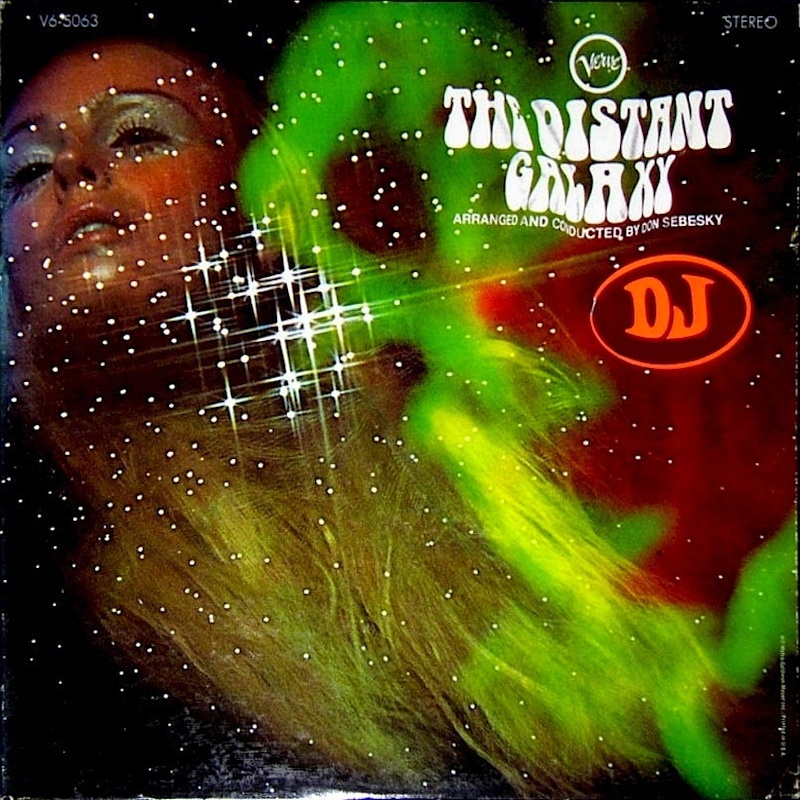
Title: The Distant Galaxy
Year: 1968
Format: LP
Label: Verve
The Distant Galaxy was in reality the studio project of Don Sebesky, a composer and arranger best known for a fruitful series of collaborations with producer Creed Taylor. Their lush, commercial orchestrations for jazz artists were ubiquitous in the late ‘60s twilight of jazz’s mainstream currency. The album features some well known jazz musicians including Hubert Laws (soprano sax-flute), Chuck Rainey (bass), Dick Hyman (piano), Larry Coryell (electric sitar-guitar), Donald McDonald (drums), and of course, Don Sebesky (moog synthesizer). (Jack Dominilla)
Track Listing
- The Distant Galaxy
- Dance The Night Away
- Sounds Of Silence
- Martian Storm
- Soul Lady
- Reflectivity
- Mr. Tambourine Man
- Cosmic Force
- Water Brother
- Spiral Nebulae
- The Blue Scimitar
- Satellite
- Elvira Madigan Theme/Honey
- Solar Emissions
- Guru-Vin
- I Wish It Would Rain
- Lady Madonna
Disclaimer: The link below may point to content that is copyrighted. redtelephone66 only provides this link with the understanding that you are responsible for the content you download. redtelephone66 does not engage in music piracy, nor do we do host, fileshare, or otherwise trade in copyrighted works.
The Aquarians – Jungle Grass (1970)
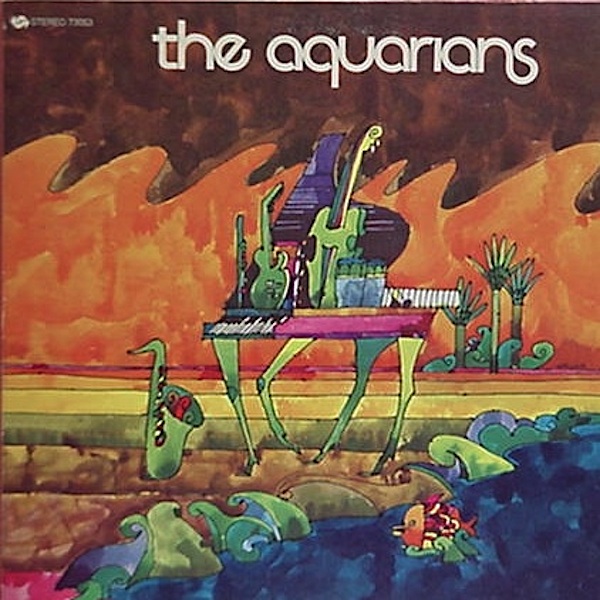
Title: Jungle Grass
Year: 1969
Format: LP
Label: UNI
Part of the strange California zodiac pop funk scene, the Aquarians took astrology rock in several interesting and generally unexplored directions. While primarily the brainchild of composer, arranger, and pianist Vladimir Vassilieff, the Aquarians were actually a supergroup of talented jazz musicians. Featuring Stan Gilbert, a much in-demand bassist at the time, and the incomparable Afro-Cuban percussion of Francisco Aguabella, the Aquarians blended a one love hippie philosophy with smooth, Latin-tinged jazz.
Their first, and only, album, Jungle Grass sounds close to related astrology rockers Friends of Distinction (which also featured Stan Gilbert) and the 5th Dimension. While evidencing a nominal interest in astrology, the tracks on Jungle Grass are, at the core, jazz with a heavy Afro-Cuban (evident in the percussion), and possibly a Brazilian Tropicalia (evident in the vocals), influence. On an album packed with talent, there are few solos and no showboating — the performance of each member is subservient to the groove.
On the opener, “Bayu-Bayu,” Aguabella lays down several beautiful fills over the sing-song vocal. “Batakum” features nice sax work by Joe Roccisano playing under the sign of Pharoh Sanders. A solid but not explosive album, Jungle Grass is definitely an under appreciated effort and is currently sought after by certain DJs for its little sampled piano flourishes and percussion breaks. (Brian Whitener, All Music Guide)
Track Listing
- Bayu-Bayu
- Adela
- The Aquarians
- What Do You Mean ?, What Do I Mean
- Excuses, Excuses
- Batakum
- The Head
- Saja/Jungle Grass
- Mucho Soul
Bud Shank – A Spoonful Of Jazz (1967)
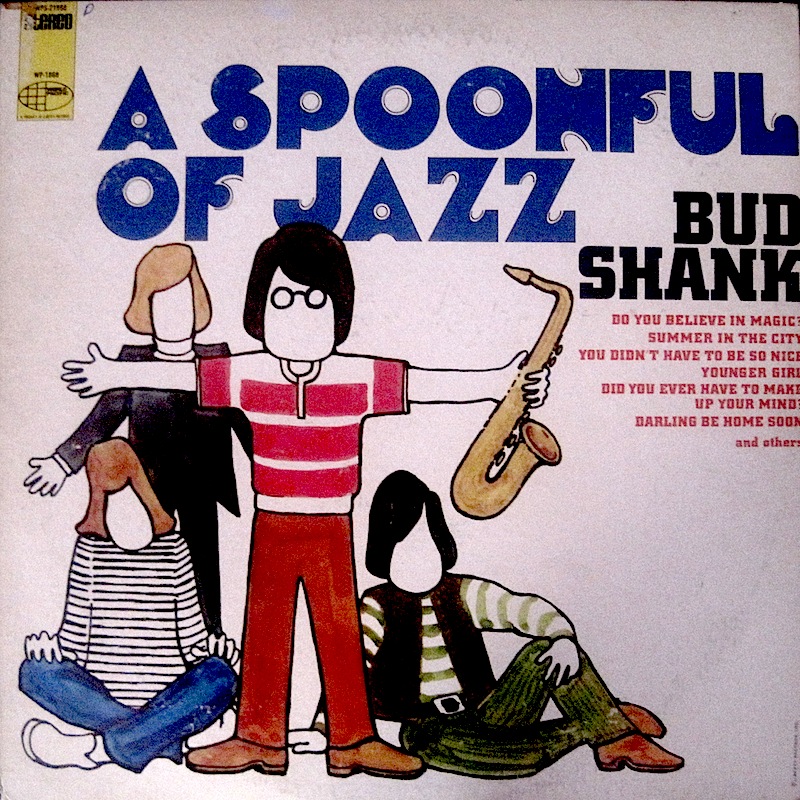
Artist: Bud Shank
Title: A Spoonful Of Jazz
Year: 1967
Format: LP
Label: World Pacific
A Spoonful of Jazz is a very good description of the contents of this LP by Bud Shank, which features little in the way of meaningful jazz in a songbook of works by 1960s pop group the Lovin’ Spoonful.
In spite of the usually potent alto sax of Shank and a band arranged and conducted by Shorty Rogers, which also includes George Roberts, Frank Rosolino, Conte Candoli, Bud Brisbois, and Buddy Childers, this release is an absolute dud as far as jazz fans are concerned. The melodies of the Lovin’ Spoonful are extremely repetitive, and none of Rogers’ charts flesh out the themes enough to provide grounds for any memorable improvisations.
The lifeless pedestrian rhythm section of electric bassist Carol Kaye, guitarist Dennis Budimir, and drummer Earl Palmer add to the badly dated sound of the album. Particularly embarrassing is the baroque arrangement of “(You and Me and) Rain on the Roof,” complete with electric harpsichord and Shank’s disappointing flute solo.
Veteran jazz writer Patricia Willard’s liner notes are full of hyperbole, but it is difficult to think she actually believed what she wrote about this release. This historical curiosity shows how desperate labels like World Pacific sought to attract some of the pop audience to jazz artists; it can be safely bypassed by all jazz fans, except for the most obsessive collectors of the music of Bud Shank. (allmusic)
Track Listing
- Summer In The City
- Did You Ever Have To Make Up Your Mind?
- (You And Me And) Rain On The Roof
- Amy’s Theme
- Cocoanut Grove
- Lovin’ You
- Darling Be Home Soon
- Six O’ Clock
- Younger Girl
- Didn’t Wanna Have To Do It
- Daydream
- Do You Believe in Magic?
Hugh Masekela – Hugh Masekela’s Latest (1967)
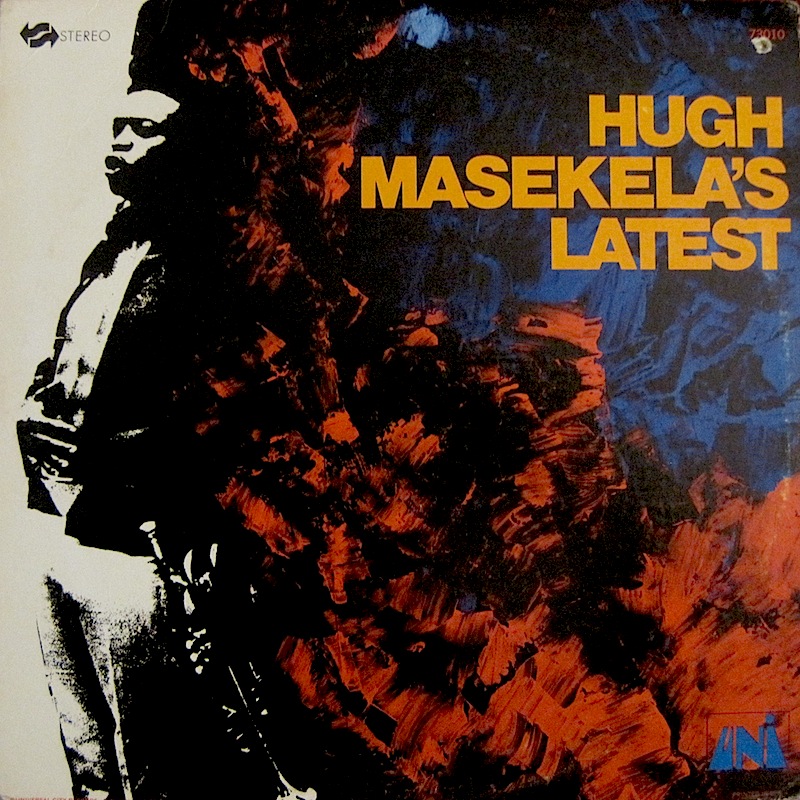
Artist: Hugh Masekela
Title: Hugh Masekela’s Latest
Year: 1967
Format: LP
Label: UNI
Hugh Masekela has an extensive jazz background and credentials, but has enjoyed major success as one of the earliest leaders in the world fusion mode. Masekela’s vibrant trumpet and flugelhorn solos have been featured in pop, R&B, disco, Afropop and jazz contexts.
He’s had American and international hits, worked with bands around the world, and played with African, African-American, European and various American musicians during a stellar career. His style, especially on flugelhorn, is a charismatic blend of striking upper register lines, half valve effects, repetitive figures and phrases, with some note bending, slurs and tonal colors.
Though he’s often simplified his playing to fit into restrictive pop formulas, Masekela’s capable of outstanding ballad and bebop work. He began singing and playing piano as a child, influenced by seeing the film Young Man With A Horn at 13.
Masekela started playing trumpet at 14. He played in the Huddleston Jazz Band, which was led by anti-apartheid crusader and group head Trevor Huddleston. Huddleston was eventually deported, and Masekela co-founded the Merry Makers of Springs along with Jonas Gwangwa. He later joined Alfred Herbert’s Jazz Revue, and played in studio bands backing popular singers.
Masekela was in the orchestra for the musical King Kong, whose cast included Miriam Makeba. He was also in the Jazz Epistles with Abdullah Ibrahim, Makaya Ntshoko, Gwanga and Kippie Moeketsi. Masekela and Makeba, his wife at that time, left South Africa one year before Ibrahim and Sathima Bea Benjamin in 1961. Such musicians as Dizzy Gillespie, John Dankworth and Harry Belafonte assisted him.
Masekela studied at the Royal Academy of Music, then the Manhattan School of Music. During the early ’60s, his career began to explode. He recorded for MGM, Mercury and Verve, developing his hybrid African/pop/jazz style.
Masekela moved to California and started his own record label, Chisa. He cut several albums expanding this formula and began to score pop success. The song “Grazing In The Grass” topped the charts in 1968 and eventually sold four million copies worldwide. That year Masekela sold out arenas nationwide during his tour, among them Carnegie Hall.
He recorded in the early ’70s with Monk Montgomery and the Crusaders. Masekela moved in a more ethnic direction during the ’70s. He traveled to London to play with Nigerian Afrobeat great Fela Kuti and his Africa ’70; then came a session with Dudu Pukwana, Eddie Gomez and Ntshoko among others that resulted in his finest jazz/African album, Home Is Where The Music Is.
Masekela toured Guinea with the Ghanian Afropop band Hedzoleh Soundz, then recorded a series of albums with them both in California and Africa with guest stints from the Crusaders, Patti Austin and others.
Masekela alternated between American and Africa, cutting a successful pop/dance album with Herb Alpert in the late ’70s. During the ’80s, Masekela returned to South Africa. He visited Zimbabawe and Botswana, and recorded two albums with The Kalahari Band that once more merged jazz-rock, funk and pop Masekela was part of Paul Simon’s Graceland tour in the mid-’80s, while he continued recording and produced sessions by Makeba.
Starting in the mid-90′s, Masekela began releasing a stream of albums and collections that showed his versitility and growth in South African jazz. Though the jazz content of his work has varied over the years, Hugh Masekela has far more material on the plus side than the negative. (Ron Wynn, All Music Guide)
Track Listing
- Baby, Baby, Baby
- Society’s Child (Baby I’ve Been Thinking)
- Lily The Fox
- Groove Me
- Thula
- Mago
- Arrastao
- Reza (Laia Ladaia)
- I Just Wasn’t Meant For These Times
- Here, There And Everywhere
- Mazeze