
Screaming Gypsy Bandits – In The Eye (1973)
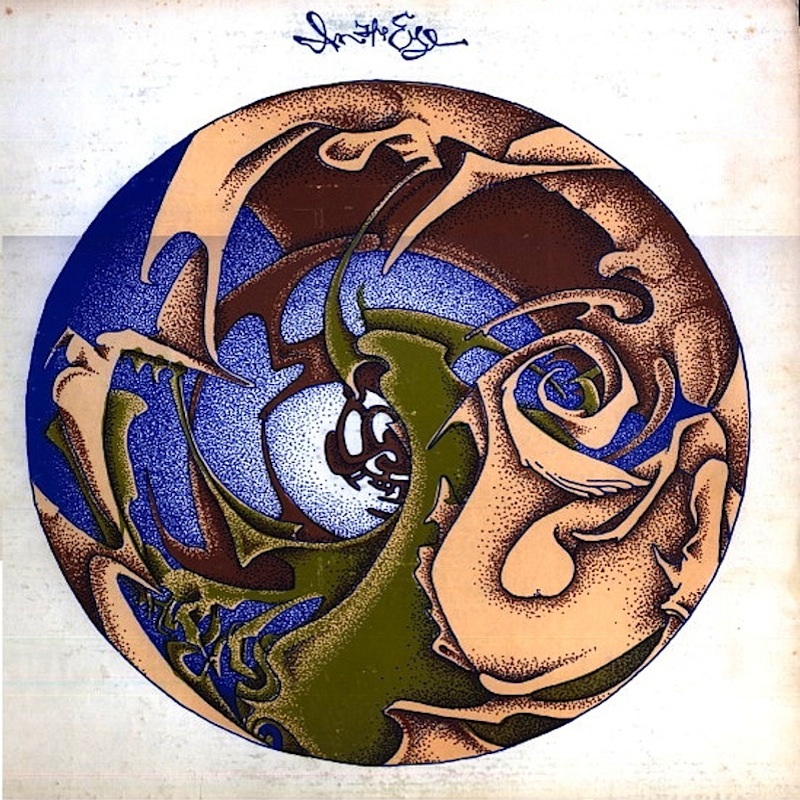
Title: In The Eye
Year: 1973
Format: LP
Label: Bar-B-Q
Screaming Gypsy Bandits is still a pretty interesting artifact. The band was apparently the brainchild of college dropout and former Elektra songwriter Mark Bingham.
Returning from a couple of disillusioning years in California, Bingham formed The Screaming Gypsy Band with a loose group of friends and Indiana University students including bassist John Clayton, lead guitarist Brendan Harkin, drummer Rick Lazar, and singer Caroline Peyton.
Local club dates got them signed to the small Bar-B-Q label which Bingham claims was nothing more than a drug front for the ‘owners’. Produced by Mark Hood, 1973′s “In Your Eye” showcased a series of nine Bingham originals.
Penned during the 1972-73 timeframe and apparently recorded over a week in Jack Gilfoy Studios, one of the album’s most interesting characteristics is simply how un-1970s it sounded.
Not knowing any of the band’s history, the first time I heard the album I was convinced it was a 2000-era release. It just had that ‘college’ band vibe that sounded incredibly modern to my ears. (Bad Cat)
Track Listing
- Prematurely (Fly Me Away)
- Junior
- All This Waiting
- Path Of Flight
- In The Eye
- White Teeth
- Pedigree
- Mules
- Foggy Windows
Linda Perhacs – Parallelograms [Original Vinyl] (1970)
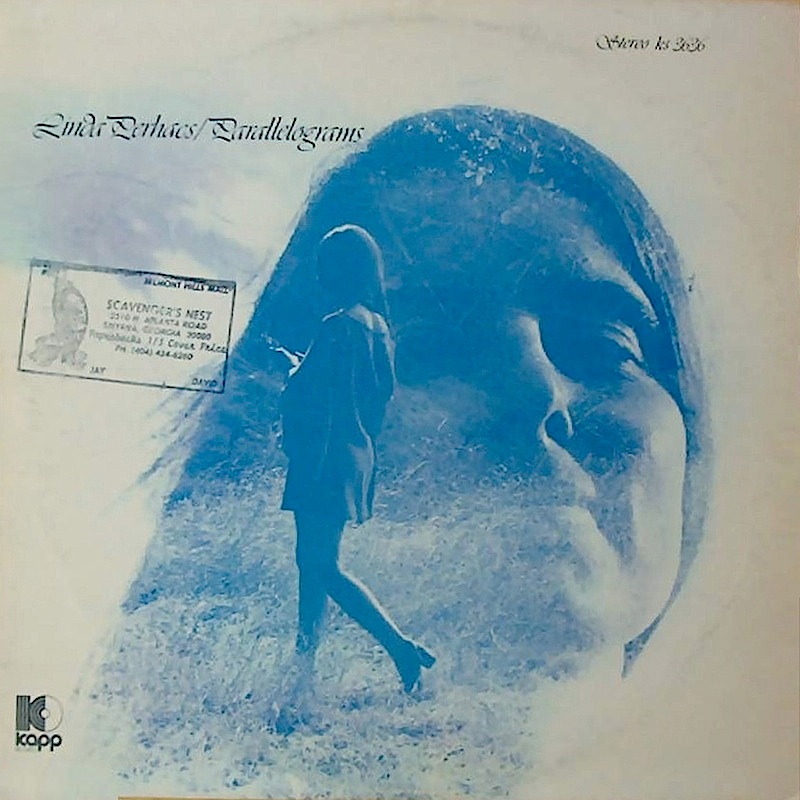
Artist: Linda Perhacs
Title: Parallelograms
Year: 1970
Format: LP
Label: Kapp
The mood here is flawless–hypnotic, subtly psychedelic, simultaneously hazily nocturnal and narcotically dawn-like. Perhacs’ voice isn’t quite as lithe or showy as that of similar female singers, but, more importantly, it fits the songs she’s written and serves the words and atmosphere perfectly.
The album’s shimmering opener sets the tone–a gently unusual fingerpicked arpeggio is soon joined by Perhacs’ quietly intense, cascading multitracked vocals, which emulate the titular rain. These elements reappear repeatedly–on “Moons and Cattails” and again on the most overtly psychedelic track, “Parallelograms,” which blends another chant-like guitar figure with hypnotic vocals–the comfortably dissonant combination is shattered by hand percussion and delay-treated flutes as Perhacs’ vocals sink past unintelligibly before recapitulating the original theme.
Some songs reach yearning heights over delicately understated guitar–as when Perhacs pleads, “Dolphin, take me with you…” or on the exquisite “Hey, Who Really Cares?”, while elsewhere her delicate vocals convey a sense of place and sense experience that’s uncanny, as on the swaying “Sandy Toes” or the almost mystically sensuous “Delicious.” The arrangements are impeccable throughout the entire album–whoever’s producing knows just when to leave it to voice and guitar and when to add a reverbed guitar, a 12-string, wind instruments or some appropriate bass and ethnic drums.
Sure, it’s easy to point out so-called hippie elements on this album–the amount of time spent lingering on small experiential and nature-oriented details is uncommonly high, and “Paper Mountain Man” and “Porcelain Baked Cast Iron Wedding” sound pretty late-60′s. Last time I checked, though, the value of savoring the moment didn’t end with flower power. It’s too late anyway–I’m too close, it’s too good. I wouldn’t change one thing about this album–it’s these kinds of friendships that keep me coming back–stricken, helplessly content. (ElliotGKnapp RYM)
Track Listing
- Chimacum Come Rain
- Paper Mountain Man
- Dolphin
- Call Of The River
- Sandy Toes
- Parallelograms
- Hey, Who Really Cares?
- Moons And Cattails
- Morning Colors
- Porcelain Baked Over Cast-Iron Wedding
- Delicious
Steve Baron Quartet – The Mother Of Us All [Vinyl] (1969)
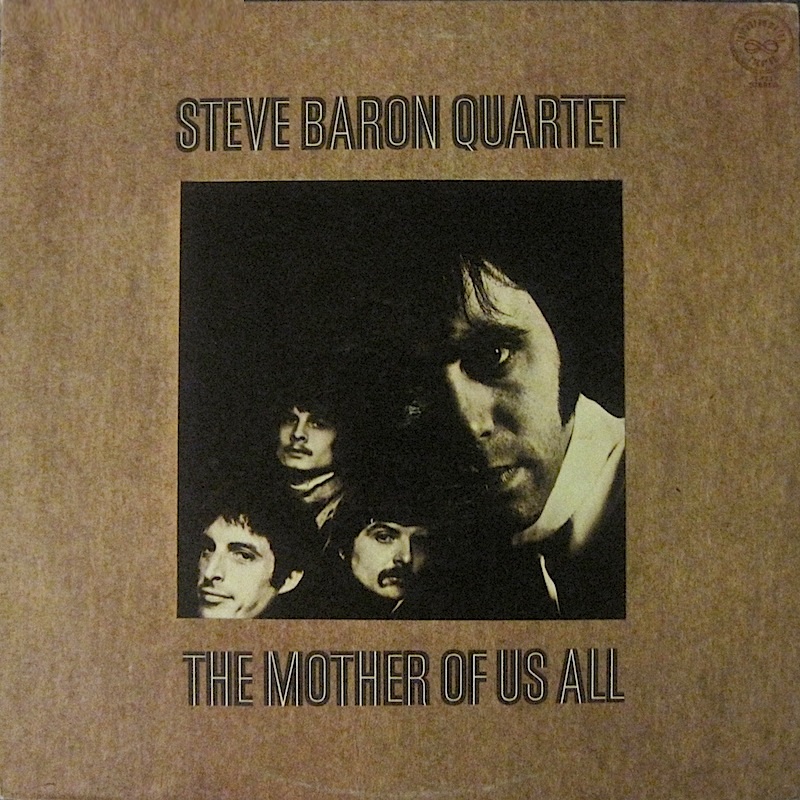
Title: The Mother Of Us All
Year: 1969
Format: LP
Label: Tetragrammaton
The Steve Baron Quartet recorded an obscure album in 1969, “The Mother Of Us All”, that combined Baroque folk-rock with some psychedelia, jazz, orchestration, pop, and singer/songwriter balladry in an unusual if erratic manner.
Prior to the album, Steve Baron had been in the Hardly-Worthit Players (see April 16, 2011 posts of their two albums), a satirical group that had a Top 20 hit (credited to Senator Bobby in 1967) with a takeoff on “Wild Thing,” featuring a lead vocal that was an obvious facsimile of then-Senator Robert F. Kennedy.
Baron also wrote a song, “Loneliness,” that was recorded by Jim & Jean on their 1966 folk-rock album, “Changes” (see January 18, 2010 post).
“This is one of those obscure and completely forgotten musical gems recorded and released in the late 1960s, only to disappear from the face of the earth for many years and pop up again recently as one of the thousands of albums frantically reissued by specialist labels.
American singer / songwriter Steve Baron created his group called Steve Baron Quartet with a few young Jazz oriented players and recorded this single album after playing with them for about a couple of years. Baron wrote all the songs on the album, which are a strange and beautiful mixture of Folk, Psychedelics and Jazz, as appropriate for the time when everything in music was allowed and possible.
Most of the album is song oriented, but on a couple of tracks (and especially the final 11 minutes long track closing the album) long instrumental Jazz improvisations are present, showing the great talent of guitarist Bill Davidson and pianist Tom Winer.
It’s very difficult to classify this album genre wise, so for lack of better terms I’ve placed it under Jazz-Rock, but it really is beyond any specific genre, just wonderful. Listening to this obscure gem makes me always wonder how many more such great recordings remain hidden in the past.” (Jazzis RYM)
Track Listing
- Bertha Was The Mother Of Us All
- Don’t You Hate The Feeling
- I Sang About My Lady
- In The Middle
- Lonely River
- Goodbye Road
- Mr. Green
- Love Me Laura
- God Never Lived For Me
- Shadow Man
String Cheese – String Cheese (1971)
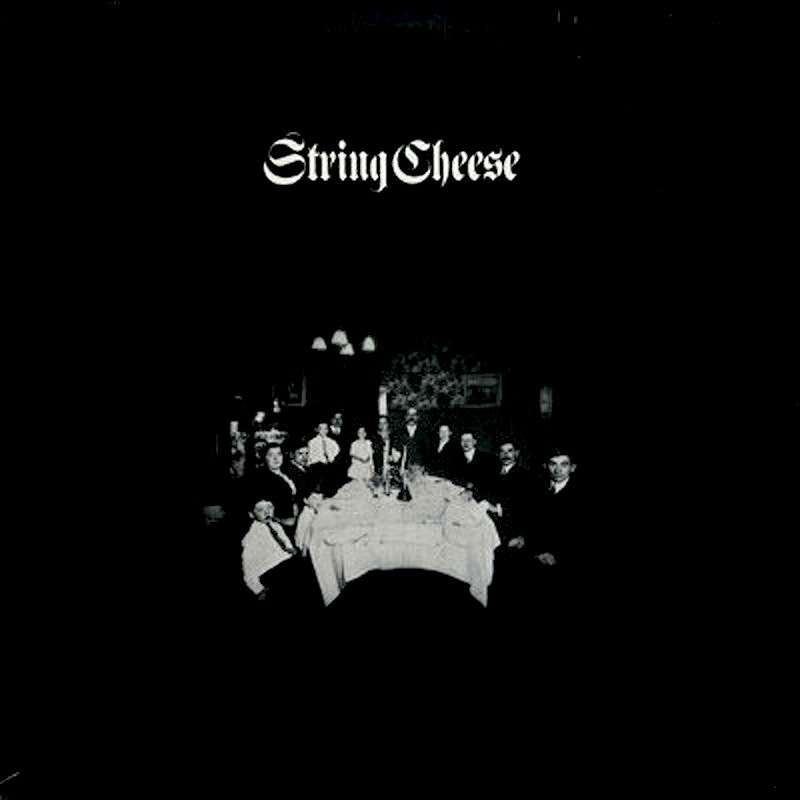
Title: String Cheese
Year: 1971
Format: LP
Label: Wooden Nickel
Led by female/male vocals and rich harmonies…The Chicago hippie crew “String Cheese” could have been the next “It’s A Beautiful Day” with proper backing and encouragement. Like that San Francisco band, String Cheese’s sound was steeped in sparkling hippie subject matter, strongly delivered by chanteuse Sally Smaller and aided by electric violin & acidy guitar leads.
Unfortunately, their debut album was also their last. Lead, 12-string guitarist and co-vocalist Lawrence Wendelken wrote most of the songs on String Cheese, and there are some truly tasteful arrangements contained within. “Soul Of Man”, for example, benefits from lush, live arrangements with folksy acoustic guitar picking and sparse drums, while a Larry and Sally voice trade offs and harmonies shine on the winding road that is the human experience.
Meanwhile, the harpsichord-led intro to “Woke Up This Morning” comes straight out of a renaissance court, progressing to a summery, psychedelic electric sitar jam with lyricism glowing in sunshine-induced optimism. There is some serious talent on display here. The winding acid guitar throughoutthe album is a highlight …
After their debut album failed to register a blip in the marketplace due only to poor promotion and not lack of talent, “String Cheese” promptly faded away. (Esterdamin)
Track Listing
- For Now
- Crystal
- We Share
- Here Am I
- Empty Streets
- Forage
- Soul Of Man
- Certain Kind Of Day
- Woke Up This Morning – Coming
Sage And Seer – Sage And Seer (1969)
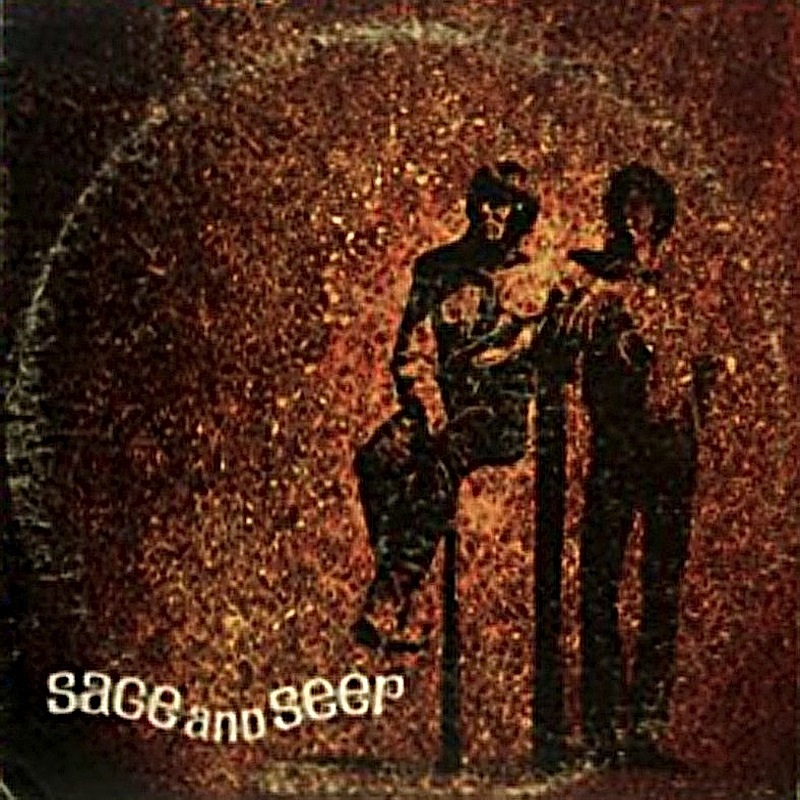
Title: Sage And Seer
Year: 1969
Format: LP
Label: Stylist
Courtesy Of Faintly Blowing
Sage & Seer were a folk-pop-psych duo based in Denver, Colorado and consisted of Don Beckman (lead guitar, vocals) and David Rea (lead vocals, guitar).
Unusual item for a private press as it’s an ambitious and elaborate lite-psych effort that would have fit well on Epic or ABC. There are a few standout tracks, but all are filled with well-orchestrated string and horn sections. Influences are mainly British with obvious nods to 1967 Donovan and the Beatles.
In addition to this album, the duo also released three singles, one of them included the non-LP tracks “I Can’t Take You Home” and “Calling” All their recordings were released on the local Denver Stylist Records label. (Collectors Frenzy)
Track Listing
- Pictures Through A Sunday Afternoon
- She Died Again
- Candle
- I’ve Cried
- Time Has Come Between Us
- Be Still When You Cry
- Clarissa
- I Want You To Know
- All Those Yesterdays
- No
- Blue, Blue And Blue
- Farewell St. John
Pat Kilroy – Light Of Day [Stereo Vinyl] (1966)
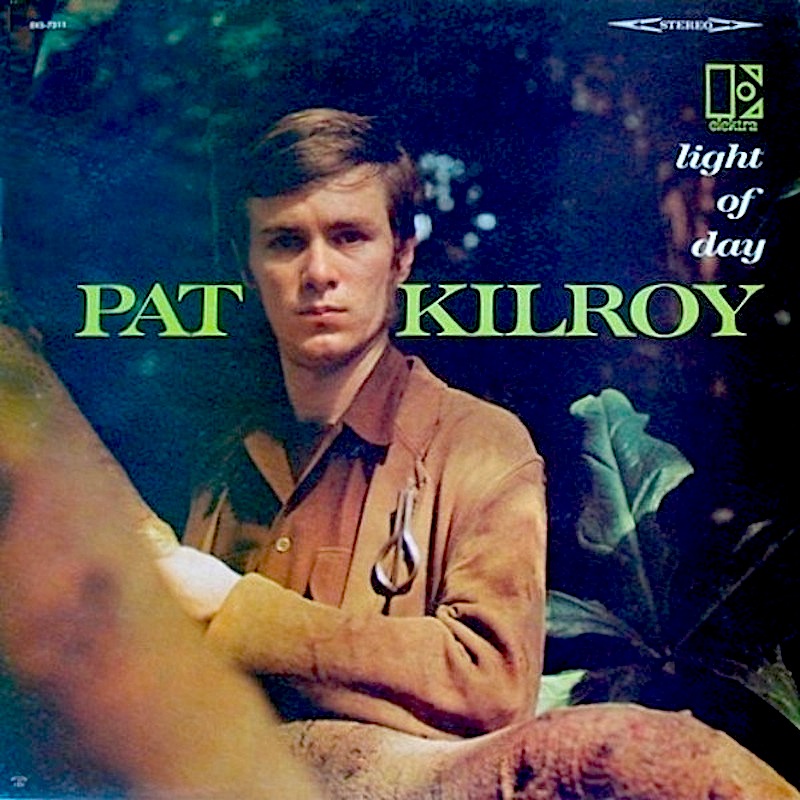
Title: Light Of Day
Year: 1966
Format: LP
Label: Elektra
Pat Kilroy was one of the most little-known singer/songwriters to record for Elektra Records in the 1960s, issuing just one album, 1966′s Light Of Day. It’s a strange record, with the folk-blues base common to many performers of the era just before they leapt into folk-rock, but lacking the rock instrumentation and arrangements that would have made it an early folk-rock album.
Kilroy’s vocals and material are in some ways similar to those on Tim Buckley’s weirder late-’60s folk-rock-jazz-psychedelic albums, but without the depth and power of Buckley’s singing or songwriting. Skilled musicians Stefan Grossman, Eric Kaz, and Marc Silber are among the accompanists, and there’s a world jazz flavor in the use of conga, tabla, flute, and glockenspiel.
The songs sometime seem to be attempting to conjure a mystic aura, but lack the quality content necessary to live up to those ambitions. Kilroy did not release anything other than this LP (this is the rare stereo version), which has become pretty rare. (Jimmy James)
Track Listing
The Magic Carpet
Roberta’s Blues
Cancereal
A Day At The Beach
The Pipes Of Pan
Mississippi Blues
Vibrations
Light Of Day
The Fortune Teller
Canned Heat
The River
Leonda – Woman In The Sun [Vinyl] (1968)
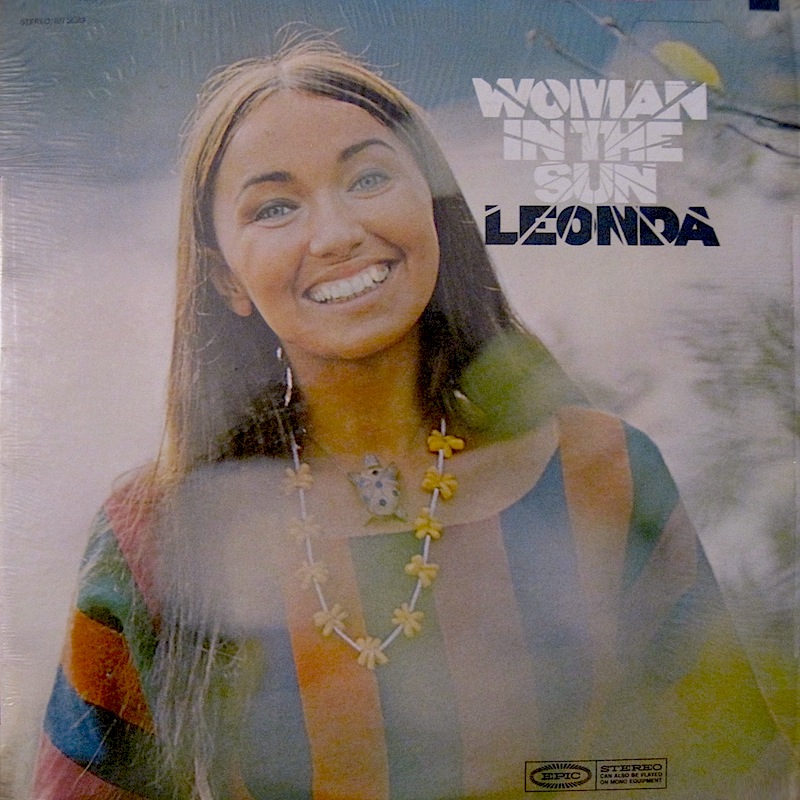
Title: Woman In The Sun
Year: 1968
Format: LP
Label: Epic
Though it was released on a major label (Columbia’s Epic subsidiary) in the late ’60s, Leonda’s sole album, Woman in the Sun, is extremely rare, and little known even among fans of singer/songwriters of the era. Because Leonda is Native American, and sometimes uses prominent vibrato in her vocal phrasing, she might generate comparisons to the most well-known Native American singer/songwriter of that era, Buffy Sainte-Marie.
Actually, however, she’s almost as similar to Annisette of Savage Rose or (more distantly) Melanie, or perhaps some of the gutsier woman singers from late-’60s West Coast rock bands. While Leonda has an appealing, somewhat raspy voice, her folk-bluesy material (with backup help from members Adam Mitchell and Skip Prokop of the Canadian rock band the Paupers) is less impressive.
The songs are fairly meandering and not all that tuneful, if good-natured with a vaguely hippie uplifting vibe. Things are better when she moves away from a blues base to a folkier one, as she does with the orchestrated “When I Lived in My Grandmother’s House” and the acoustic “Zono My Bird.” (Howard Hales Broom)
“Featuring superb backing from Skip Prokop, Adam Mitchell and Brad Campbell of The Paupers (see their posts from January 24, 2010 and the Pozo-Seco “Shades Of Time” August 3, 2010 post), as well as long-time Muddy Waters sideman Sammy Lawhorn, Ted Irwin (renowned for his early collaborations with Jake Holmes) and Brad Cambell (The Paupers, Janis Joplin), it features haunting acoustic tunes and Native American-themed lyrics that are sure to appeal to fans of female hippie rock.
Sad-tinged folk from Leonda, an artist who appears to have some Native American affiliations, at least from the themes of the songs — and who’s working here with backings that are well-done, but never too professionally polished!
The Paupers help out with a good deal of the instrumentation, and backings are usually gentle, but with some slightly complicated phrasings in ways that almost remind us a bit of Tim Hardin at times, but which come off quite differently given Leonda’s slightly bluesy vocal approach.
Also this is singer-songwriter related but with a somewhat bluesier and still soulful vibe. For many songs she keeps this bluesy style alive, with a mostly rather gently soft-rock moodily vibe. But there also a few more folkier, or calmer blues-of-heart personal songs, like “When I Lived In My Grandmother’s House”, with a more sad bluesy folk flavour, with a gifted voice for showing emotions in the song, or “come take a waltz through my heart”.
A musically more unique and distinctive track is “Peace And Pipes” a song with several musical references to native Indians, in the singing improvisations, with an open tuned guitar that adds more psychedelic parts, and a drum arrangement that clearly refers to a powwow drumming. Also “Zozo My Bird” continues just slightly this reference..before definitely returning to more direct bluesy folk associations.” (Acid Visions)
Track Listing
- Mist In The Sky
- Somebody’s Gonna Ask Me Who I Was
- When I Lived In My Grandmother’s House
- Blue Diamond In A Platinum Setting
- Mother In Love
- Come Take A Waltz Through My Heart
- Peace And Pipes
- Zono My Bird
- Head Country (To The Lost City Of ZooZoo)
- Make It All Right
Leonda – Woman In The Sun [Vinyl] (1968)
Title: Woman In The Sun
Year: 1968
Format: LP
Label: Epic
Though it was released on a major label (Columbia’s Epic subsidiary) in the late ’60s, Leonda’s sole album, Woman in the Sun, is extremely rare, and little known even among fans of singer/songwriters of the era. Because Leonda is Native American, and sometimes uses prominent vibrato in her vocal phrasing, she might generate comparisons to the most well-known Native American singer/songwriter of that era, Buffy Sainte-Marie.
Actually, however, she’s almost as similar to Annisette of Savage Rose or (more distantly) Melanie, or perhaps some of the gutsier woman singers from late-’60s West Coast rock bands. While Leonda has an appealing, somewhat raspy voice, her folk-bluesy material (with backup help from members Adam Mitchell and Skip Prokop of the Canadian rock band the Paupers) is less impressive.
The songs are fairly meandering and not all that tuneful, if good-natured with a vaguely hippie uplifting vibe. Things are better when she moves away from a blues base to a folkier one, as she does with the orchestrated “When I Lived in My Grandmother’s House” and the acoustic “Zono My Bird.” (Howard Hales Broom)
“Featuring superb backing from Skip Prokop, Adam Mitchell and Brad Campbell of The Paupers (see their posts from January 24, 2010 and the Pozo-Seco “Shades Of Time” August 3, 2010 post), as well as long-time Muddy Waters sideman Sammy Lawhorn, Ted Irwin (renowned for his early collaborations with Jake Holmes) and Brad Cambell (The Paupers, Janis Joplin), it features haunting acoustic tunes and Native American-themed lyrics that are sure to appeal to fans of female hippie rock.
Sad-tinged folk from Leonda, an artist who appears to have some Native American affiliations, at least from the themes of the songs — and who’s working here with backings that are well-done, but never too professionally polished!
The Paupers help out with a good deal of the instrumentation, and backings are usually gentle, but with some slightly complicated phrasings in ways that almost remind us a bit of Tim Hardin at times, but which come off quite differently given Leonda’s slightly bluesy vocal approach.
Also this is singer-songwriter related but with a somewhat bluesier and still soulful vibe. For many songs she keeps this bluesy style alive, with a mostly rather gently soft-rock moodily vibe. But there also a few more folkier, or calmer blues-of-heart personal songs, like “When I Lived In My Grandmother’s House”, with a more sad bluesy folk flavour, with a gifted voice for showing emotions in the song, or “come take a waltz through my heart”.
A musically more unique and distinctive track is “Peace And Pipes” a song with several musical references to native Indians, in the singing improvisations, with an open tuned guitar that adds more psychedelic parts, and a drum arrangement that clearly refers to a powwow drumming. Also “Zozo My Bird” continues just slightly this reference..before definitely returning to more direct bluesy folk associations.” (Acid Visions)
Track Listing
- Mist In The Sky
- Somebody’s Gonna Ask Me Who I Was
- When I Lived In My Grandmother’s House
- Blue Diamond In A Platinum Setting
- Mother In Love
- Come Take A Waltz Through My Heart
- Peace And Pipes
- Zono My Bird
- Head Country (To The Lost City Of ZooZoo)
- Make It All Right
Hollins And Starr – Sidewalks Talking (1970)
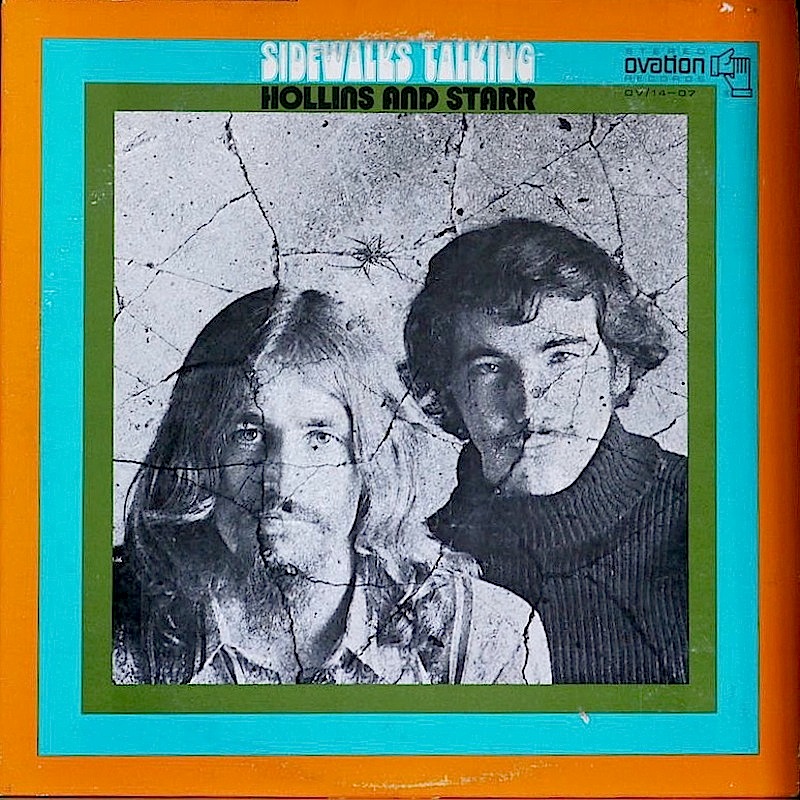
Title: Sidewalks Talking
Year: 1970
Format: LP
Label: Ovation
First let me warn you that Chuck Hollins and Dave Starr are folkies at heart and much of 1970′s Norm Christina produced “Sidewalks Talking” showcases those musical tendencies. I also have to admit that I’m surprised I like this album as much as I do.
The first couple of times I played the LP Dave Starr’s omni-present flute proved a major stumbling block to my ears, particularly those segments where he’s give the spotlight to cut lose (the end of ‘Hard Headed Women’ and the band’s odd decision to cover Bach’s “Vivach”).
Luckily I tend to play an album at least four times before making a decision as to whether its a keeper or not. By the fourth spin the flutes remained a source of irritation, but the album’s other charms compensated for that particular distraction.
With the pair splitting writing duties, acoustic material like “Twin City Prayer”, “John Hurt” and “Lovable” (the latter recalling something Nick Drake might have done) was pretty and quite listenable.
Hollins and Starr were both gifted with pretty voices and on tracks such as the pretty ballad “Cry Baby Cry” and “Feelin’ Good” they turned in some truly gorgeous harmonies. That said, the collection’s highlights came courtesy of their occasional discordant, psych and rock splashes – if you want to hear all three genres collide at once then check out the wild “Hard Headed Woman”.
Equally impressive were the surprising fuzz guitar propelled ‘Home?’ and ”. A real charmer that rewards repeated visits … okay, okay you might want to skip “Digress”. (Bad Cat)
Track Listing
- Talking To Myself
- Krishna Boy
- Cry, Baby Cry
- Twin City Prayer
- John Hurt
- Hard Headed Woman
- Home?
- Vivace (2nd Movement Flute Sonata In A Minor)
- Lovable
- Digress
- Stayin’ High
- Sidewalks Talkin’
- Feelin’ Good
Bob Brown – Willoughby’s Lament (1971)
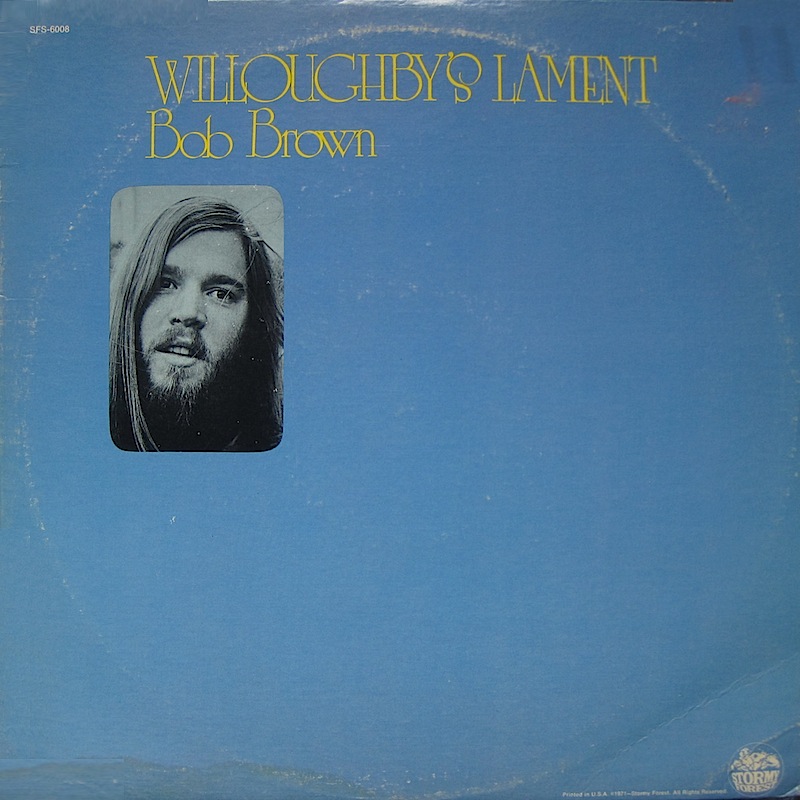
Title: Willoughby’s Lament
Year: 1971
Format: LP
Label: Stormy Forest
Bob Brown’s second album Willoughby’s Lament, is much rarer and lesser known than his debut. The album was recorded once again with the help of Richie Havens who produced, sang background vocals and also designed the cover.
After recording album, Brown would go on to tour with Havens briefly and then would be an opening act for such artists as Neil Young, James Taylor, Randy Newman, Bonnie Raitt and Emmy Lou Harris.
In the early seventies Brown studied at the University Of Maryland graduating with a BA in English in 1974 and is currently President of Bob Brown Service Solutions in Washington D.C. (Jack Dominilla)
Track Listing
- If I’d Live Alone
- Interlude
- Baby Child
- Of Breath And Skin
- Willoughby’s Lament (Part I)
- In These Flames
- Kindly Leave My Heart
- Death In Dreams
- For Pamela
- Light Of Children Come
- Willoughby’s Lament (Part II)